


History
History Overview and Skills & Progression
-
History Overview
download_for_offline
download_for_offlineHistory Overview
National Curriculum 2014: a high-quality history education will help pupils gain a coherent knowledge and understanding of Britain’s past and that of the wider world. It should inspire pupils’ curiosity to know more about the past. Teaching should equip pupils to ask perceptive questions, think critically, weigh evidence, sift arguments, and develop perspective and judgement. History helps pupils to understand the complexity of people’s lives, the process of change, the diversity of societies and relationships between different groups, as well as their own identity and the challenges of their time.
History is all around us. The study of history ignites children’s curiosity about the past in Britain and the wider world. Through finding out about how and why the world, our country, culture and local community have developed over time, children understand how the past influences the present.
History enables children to develop a context for their growing sense of identity and a chronological framework for their knowledge of significant events and people. What they learn through history can influence their decisions about personal choices, attitudes and values. Our intent, when teaching history, is to support and stimulate the children’s natural curiosity and creativity, centred on evidence, facts and imagination, in order for them to develop their knowledge, skills and understanding.
Reading and literature
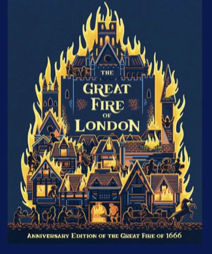
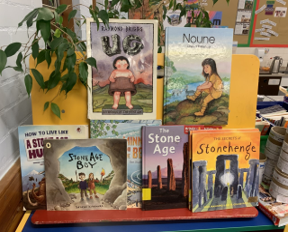
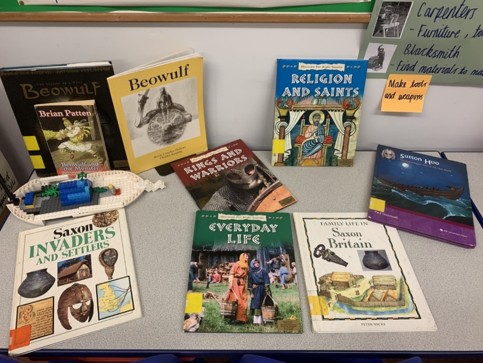
High quality texts are used in our teaching to develop children’s understanding of time, place and period. Our class readers add a narrative to the children's learning which improves and enriches their vocabulary about that history topic. By using texts children can understand the "bigger picture" of history and to unpick complex ideas. Our history areas display fiction and non-fictions texts which link to the relevant history topic and allow children to explore and deepen their knowledge further.
History Learning for All
Chronology
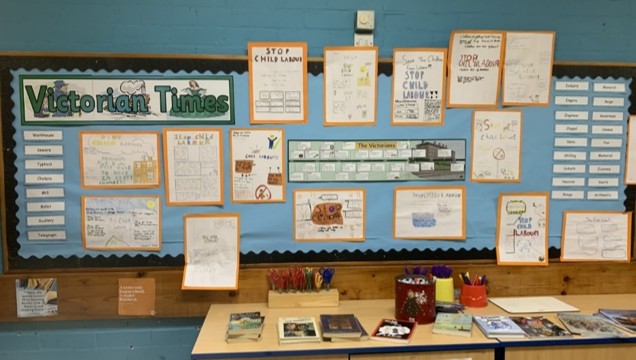
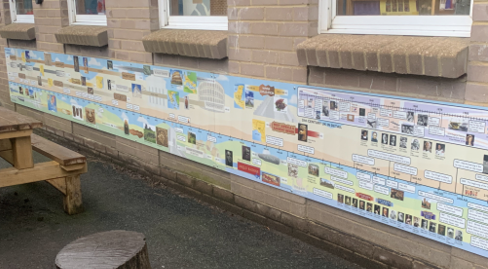
We use timelines to help the children to build a story of the past – both inside and outside the classroom! Used repeatedly with meaningful examples, this allows them to develop a mental timeline and link their prior knowledge of different time periods.
Enrichment Opportunities
Useful Resources
BBC Bitesize - there are a wide variety of short videos and information to explore across the Primary History curriculum.
Primary History teaching resources
BBC Bitesize - KS2 History learning resources for adults, children, parents and teachers organised by topic.
British Museum - This iconic museum located in the heart of London allows virtual visitors to tour the Great Court and discover the ancient Rosetta Stone and Egyptian mummies.


